Interview
Interview with Divide & Dissolve
By Gosia Kalisz
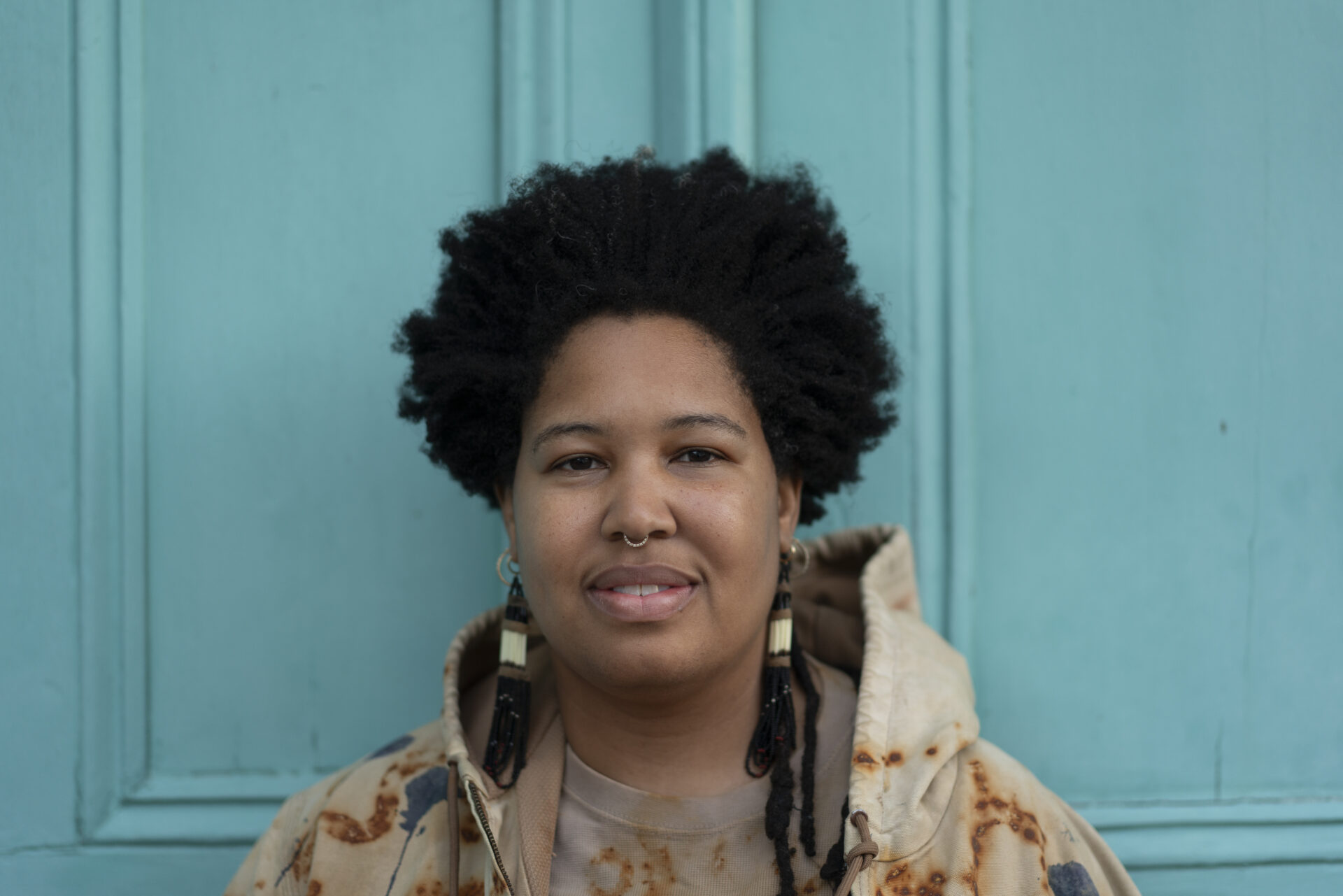
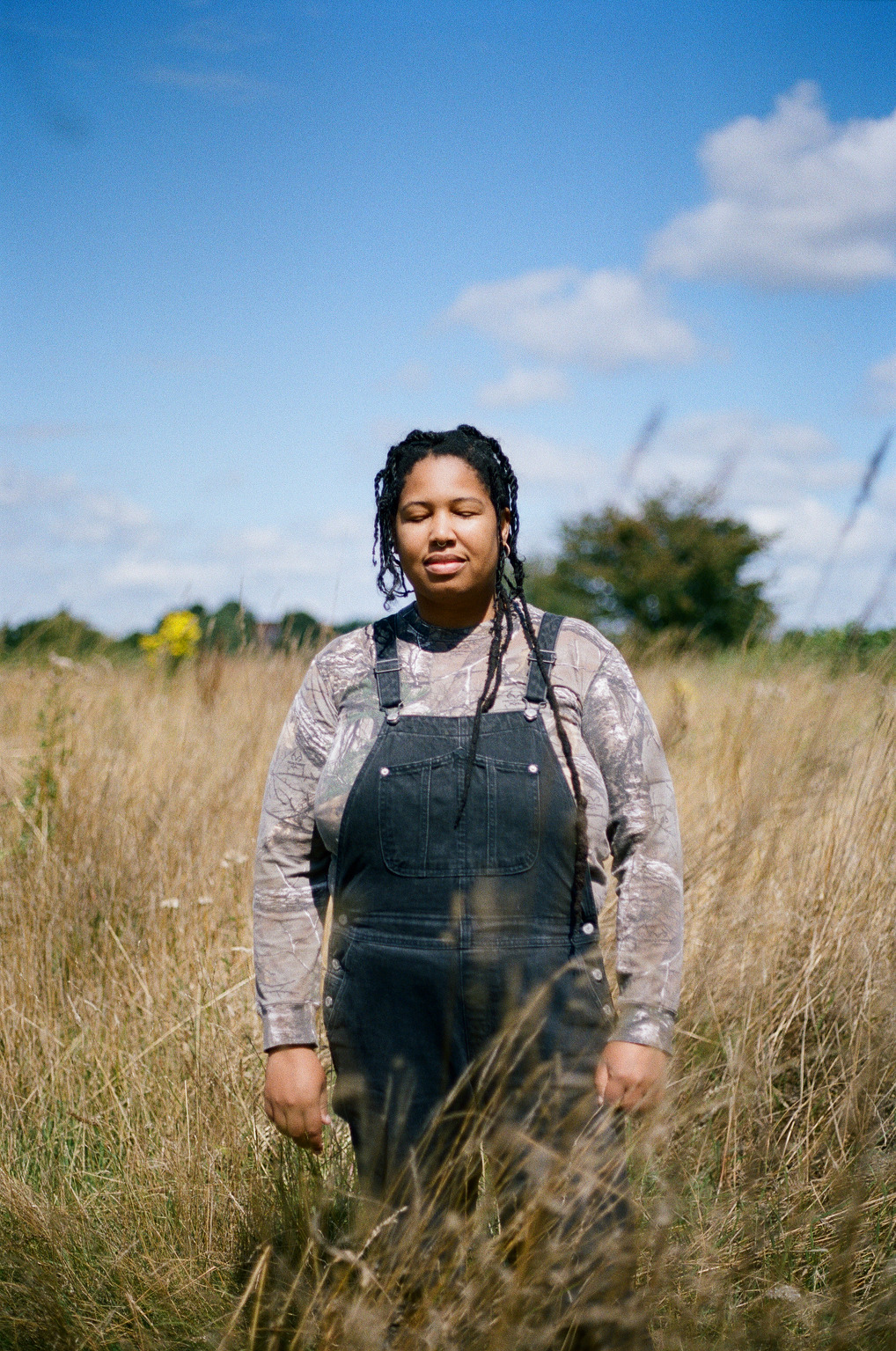
Fuelled by sociopolitical ideologies, Divide and Dissolve create cathartic sonic experiences through hypnotic melodies and pounding percussion. Prior to their show on the 28th of March we had a brief chat with D//D’s founder Takiaya, and we discussed all things politics, community and liberation.
G: Your music is explicitly anti-colonial and anti-white supremacist, yet it’s almost entirely instrumental. When you compose, what elements of sound actually carry that politics?
T: Something I really enjoy talking about is how most communication is nonverbal. Most of the communication that occurs in the world, including our most important thoughts and ways of informing each other, is nonverbal. Naturally, this translates to music and the way I present it to the world. My music creates a message in itself, but on top of that, when I’m not playing, I’m telling people what the music is about. This way, I have more gateways to communicate my thoughts and the intentions behind what I’m doing. There are many ways of expressing oneself, and I really appreciate that.
During wars, there would always be a band present, and music has always been a part of social and political change, which is still true to this day.
G: Your work is often discussed in political terms. What role do you think music can realistically play in social and political change?
T: Music has long played a role in social and political change. During wars, there would always be a band present, and music has always been a part of social and political change, which is still true to this day. I’m trying my best to contribute in the ways I’m able to, and I hope I make a positive impact in the direction I hope to move towards. There are so many ways to contribute. I play music, and I also do other things. Ultimately, I’m grateful that I get to communicate in this way. I hope my music makes people feel good, that it makes them feel seen and keeps them company when they’re lonely.
G: Do you see the performance as a way of creating a temporary community?
T: When playing live, everyone comes together, and they get to experience the same event in their own unique ways, and I think that’s something really special. I feel really grateful that I get to create space for all of us; that we can all come together and be in a similar zone.
G: People across very different genres interact with your work. Does your intent change depending on who is listening, or does it remain the same regardless of context?
I think I make heavy music, and I don’t feel the need to fit it into any genres. I’m just making the music that pours from my soul.
T: I think every time I play, the context shifts slightly. It would make sense that the intent would shift a bit, but I would like to perform for whoever I’m in front of, so I try to adjust to my environment.
G: And how do you do that?
T: I think I try to sense the energy of what is happening, and I remain present with what is in front of me. You can do as much preparation as possible, but you still don’t know what’s going to happen.
G: You borrow a lot from metal, yet it would be a stretch to classify your music as such. What elements of it do you find particularly appealing, and which do you reject?
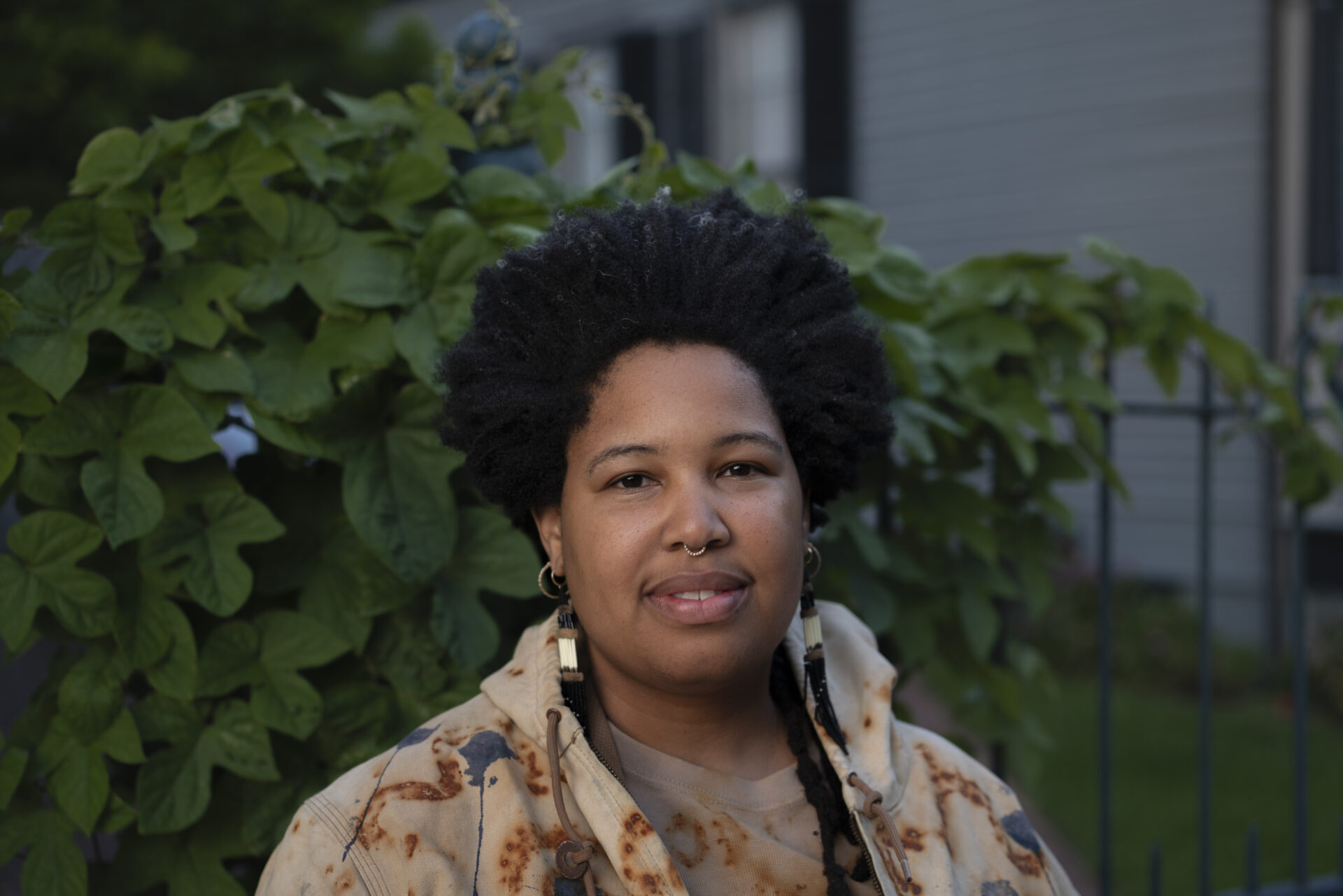
T: I think I make heavy music, and I don’t feel the need to fit it into any genres. I’m just making the music that pours from my soul. I’m standing there saying: This is what I have to offer. I’m grateful that I get to share my thoughts, and it feels very natural to do so.
I have so much love infused in my work, and I want to continue communicating that.
G: How does your composition process look? Do you begin with a specific sound, atmosphere or something else in mind?
T: I think my composition process is very organic, and there’s no particular order; it’s based on when I feel inspired. Sometimes I start with my saxophone, other times I’ll start with my guitar, other times I’ll start with my piano. It really depends on my mood, where I am writing, or if I’ve carved out time to be writing in particular, or if it’s just happening in the moment. There are many variables, and I am genuinely open to anything.
G: Do you have a goal in mind when you compose, or not really?
T: No, for me, I only hope that this feels good. I hope this sounds good. I hope that people can feel what I feel.
G: Your work has attracted serious backlash, even threats. Has that changed how you think about visibility or vulnerability as an artist, or has it only reinforced your approach?
T: It only reinforced my approach. I’m not going to stop because people don’t understand my work. I will keep going. I have so much love infused in my work, and I want to continue communicating that. In that moment, it felt very intense, and sometimes it continues to feel like this to this day. Depending on what’s happening, these emotions can vary, but it can be overwhelming sometimes.
G: Much of your music confronts histories of violence and oppression. What does a liberated or healed sonic future sound like to you?
T: I’m not sure, because we don’t live in that time right now, but I’m sure it will sound awesome. Everyone is happier when they are free. It makes the world a better place. I can try to imagine it precisely, but at the core, I think everyone’s nervous system will be less on edge. Liberation is amazing. I can continue to try to envision that, but right now, everything is just so intense out there, and I think we all need to give each other a hint. Essentially, we all need to work together to make the world better.
All photos courtesy of the artist.
Catch Divide and Dissolve perform at OCCII on March 28th.
Related
FIBER Festival 2026 First Names Announcement
Music // RecommendedInterdisciplinary festival FIBER returns for their 11th edition on 28-31 May. This year their festival explores the theme Fragile Forces
Subbacultcha presents: Patricia Wolf + Sara Mokrani
Field Recordings // Sound 11 June Amstelkerk, Amsterdam