Features
Interview with Tony Njoku
By Gosia Kalisz
With his style described as “haunting-yet-introspective”, Tony Njoku uses music as a spiritual tool for self-improvement. His latest release, All Out Knives Are Always Sharp, serves as a landmark moment for Njoku, a culmination of both the singular musical style and nuanced, socially-engaged storytelling he’s been crafting throughout his career. Before his show in collaboration with the Spaceship Ensemble at the Birds of Paradise Festival, we chatted with Tony about improv, getting vulnerable, and what it even means to be experimental.
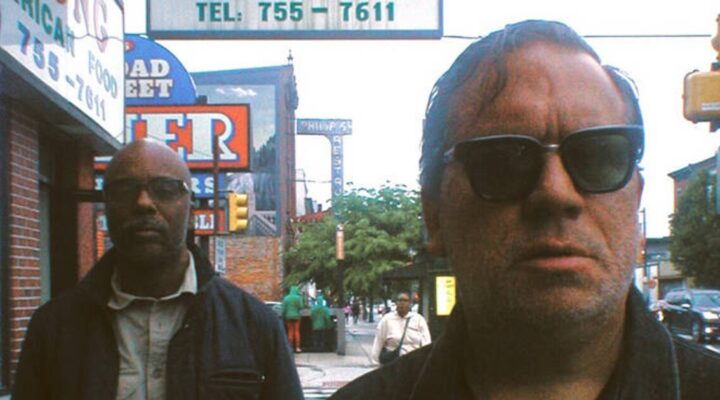
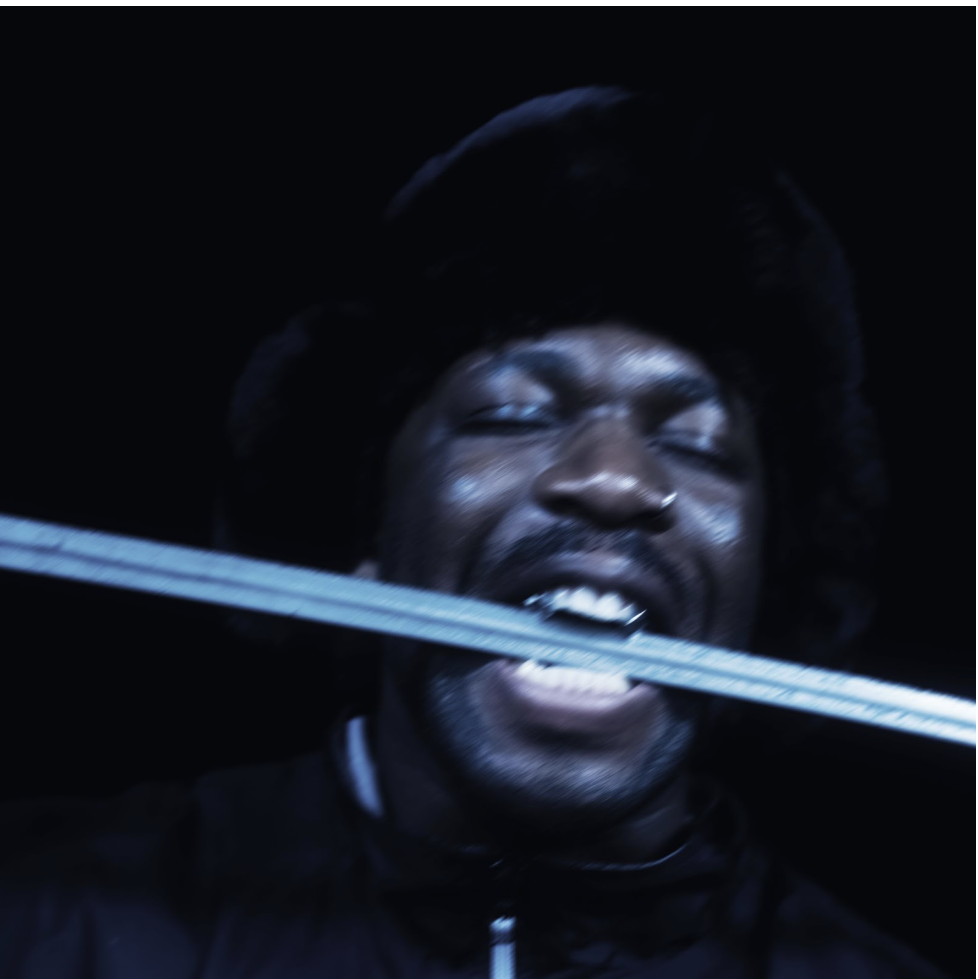
Photo by Jordan Woods.
Performance is a beautiful way to see masculinity morph. You think about all the pageantry of glam rock or performers like Prince or Bowie, where they flip the whole thing and become quite androgynous. It really makes you question what a man is, because these are people who uphold a lot of masculine energy in androgynous ways.
Gosia: Has performing been feeling different lately compared to a few years ago?
Tony: Yeah, it definitely feels different. On one level, the more you do it, the easier you sink into it. The more you do it, the more you want to challenge yourself. I’m adding more difficult elements to the performances to make it interesting for me, rather than the audience. I’m making it more interesting for myself to get excited about it, and to still find it precious, because when you do it for a while, you start to lose the feeling of it being a precious experience. I want to honour whatever comes. When I’m testing out ideas, everything’s equal; there’s no “king” element, it’s not like I need to play more piano in this show. It’s more about whatever is needed to elevate the moment. This approach definitely changes my perception.
G: What would you consider the hard elements you add for yourself?
T: A lot of my sets are partly improvised. I’m trying to wean myself off the digital elements as much as possible. So just means adding in more analogue things, such as using a lot of analogue synthesisers or hybridised synthesisers that use MIDI, for instance. Taking as much as I can away from the computer, doing it live, using drum machines, just means that there are a lot more elements on stage with me. There are a lot of machines that need to be taped at the same time to ensure a good, cohesive sound and a cohesive sonic story.
G: You moved from Lagos to London when you were 14, but you were already making music before that. Did migration make you more self-conscious as an artist?
No, think I just had that in me, I just had that kind of like introspective self-facing mirroring kind of like mentality that’s kind of I’ve always been like that. I’m not scrutinising myself – just looking at myself and trying to figure out what’s going on inside. I did a lot moving around as a kid, but when we made the final move to the UK, it felt that going to a new place or going to a place that’s unfamiliar where you have to make new friends, it forces you to look inside because then you have to understand who you are to be able to bring yourself to a new environment, a new culture. I’ve been lucky that that’s always just been innate for me. Moving was always an easy thing; I never really experienced homesickness or anything. I always felt very connected to wherever I ended up.
I always like that kind of “in-the-round feeling” because it feels like people gathering around a campfire to tell stories, but then you are the campfire.
G: I saw you discussed how, over the years, your perception of masculinity has shifted to understanding it more as a cultural construct. How has performing change how you relate to masculinity?
Performance is a beautiful way to see masculinity morph. You think about all the pageantry of glam rock or performers like Prince or Bowie, where they flip the whole thing and become quite androgynous. It really makes you question what a man is, because these are people who uphold a lot of masculine energy in androgynous ways. For me, my practice is less about the pageantry and more about the technicality. It’s more about the ceremony. So it’s more ritualistic and more about my relationship to my instruments rather than my relationship to my sexuality. Obviously, that is always going to be a part of what you do; you can’t really escape that. I think when it comes to performance and masculinity, for me, this is more of a vulnerability thing. Unfortunately, people see masculinity as not being able to be vulnerable, and that’s obviously not right; that’s not even true. I focus more on vulnerability; it’s more about how you express yourself as a man, every element of self must come through as a man to be whole.
G: I heard that during your show at Birds of Paradise, the audience will be sitting around you instead of a traditional “stage and rows” setup. Festivals create a different kind of audience than standalone shows. Do you approach a performance differently in that environment?
It’s a matter of storytelling, but I know there are other elements to the show that are going to be interesting, too. I always like that kind of “in-the-round feeling” because it feels like people gathering around a campfire to tell stories, but then you are the campfire.
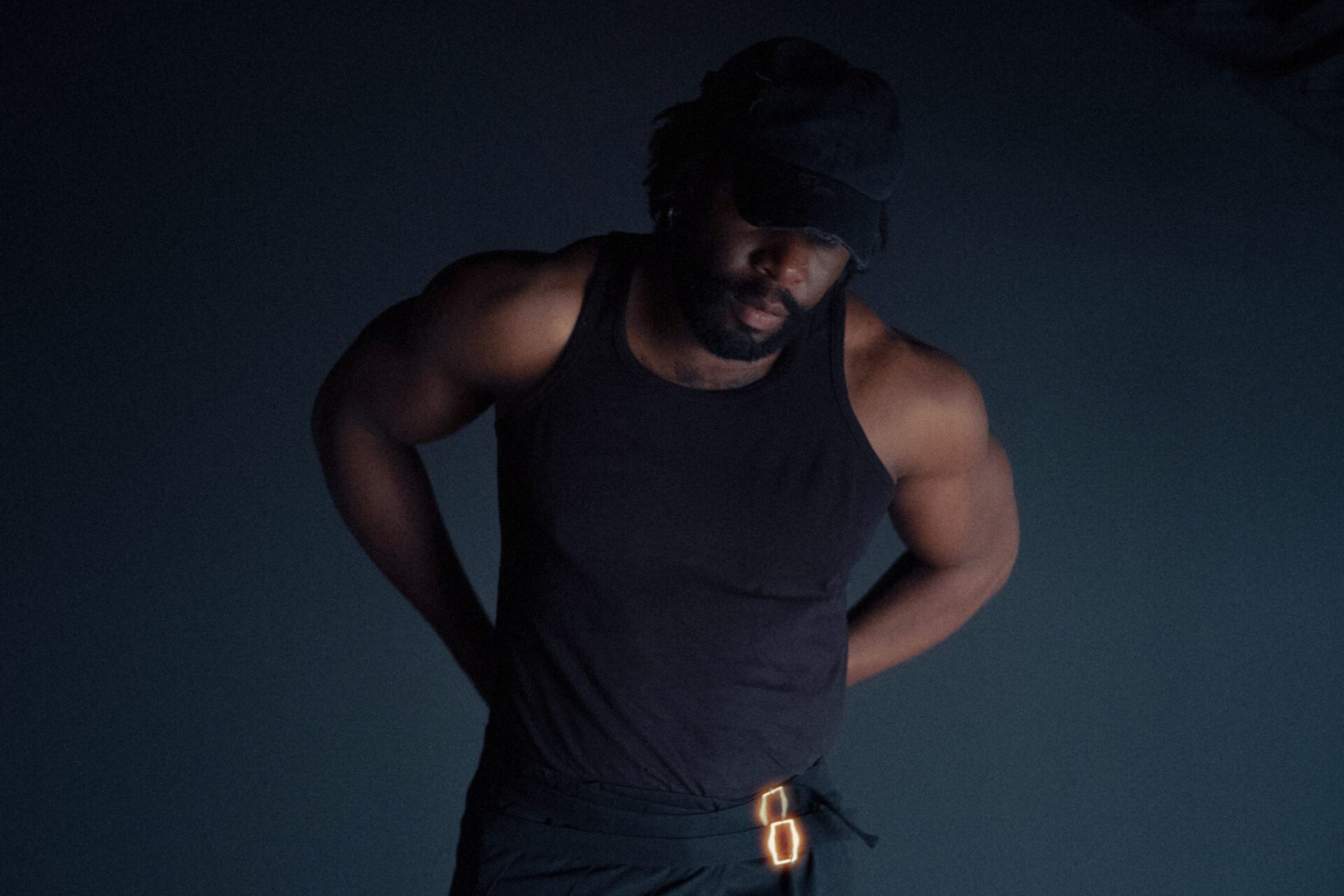
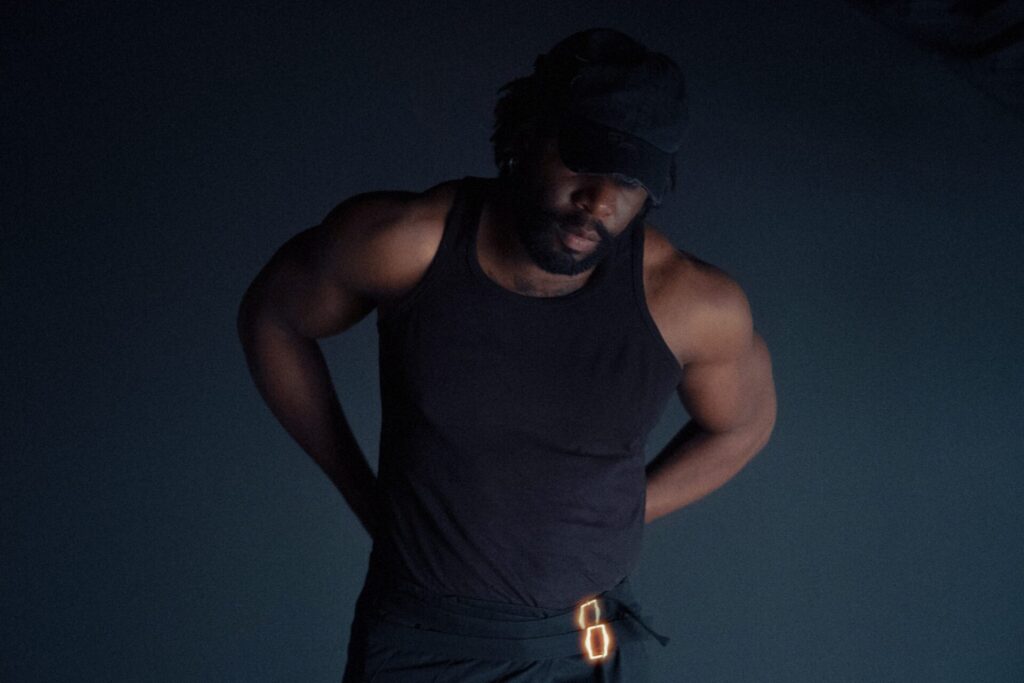
Photo by Jordan Woods.
It’s not my duty to try and keep control, it’s more my duty to honour whatever’s happening, so if things are going a bit crazy, rather than panic and try and stop it all, my job is to try and figure out how to bring it together, to find the truth in that chaos.
G: For your show at Birds of Paradise in Utrecht, you’re collaborating with the Spaceship Ensemble. How did the collaboration come to be, and how do you feel about it?
I’m looking forward to it. I don’t really know what we’re going to play, which is part of the process for me. I want it to be elements of written stuff I’ve done, combined with improv, because they’re amazing players. I’m going in blind and letting the moment take us, and trying to create something serene and unique. The festival’s whole thing is to do more than come and do the regular set. I have done quite a few performances with ensembles, varying from a sextet to a quartet and a trio. Birds of Paradise proposed to collaborate with Spaceship Ensemble, and me and my team thought they were amazing. I’m interested to see how that’s gonna pan out!
G: This kind of work changes the authorship. When your work extends beyond yourself, what do you find becomes harder to control?
It is hard to control because you’re at the mercy of the people you’re sharing that moment with as players. You’ve got to figure out whether you guys are aligned or not, thinking on the same page. Especially if we’re doing improv. If you’re not speaking the same language as improvisers, it can go really badly. I think it will be interesting to see. It’s not my duty to try and keep control, it’s more my duty to honour whatever’s happening, so if things are going a bit crazy, rather than panic and try and stop it all, my job is to try and figure out how to bring it together, to find the truth in that chaos, you know. If it gets to it, I don’t know if it will for this show, but there have been moments in the past where it was going left. In that case, you’ve got to find the truth in it to bring it out of that murky area. That’s what I’m hoping we can accomplish with Spaceship Ensemble.
There’s a huge value in dealing with spontaneity in a musical sense; it can really intensify a moment, and it really demands you to be present. You can’t fake it; if you’re not present, you don’t know what the fuck’s gonna happen next.
G: You seem to be enjoying improv. I also saw that you’re starting an improv series in London. What are you trying to open up with it?
It’s just that desire to embrace more spontaneity, and also take the improv out of the classical jazz environment and bring it to a more experimental space. I love the people who are getting involved, so I’m hoping to be able to start a dialogue with other experimenters. There’s a huge value in dealing with spontaneity in a musical sense; it can really intensify a moment, and it really demands you to be present. You can’t fake it; if you’re not present, you don’t know what the fuck’s gonna happen next. I really want to highlight being in the moment. My favourite parts of the shows I play are those moments where I get to improvise. I’d say like 30, 20% of my shows are usually improv. And then the rest is pre-written. And those moments are what really elevated the experience for me and brought me to some new truth and a new perspective on playing. So I’m hoping to do that, and also, I’m hoping it can be a big community-building exercise, where people gather in real spaces and are more in the moment. I hope it will inspire a movement in the long term.
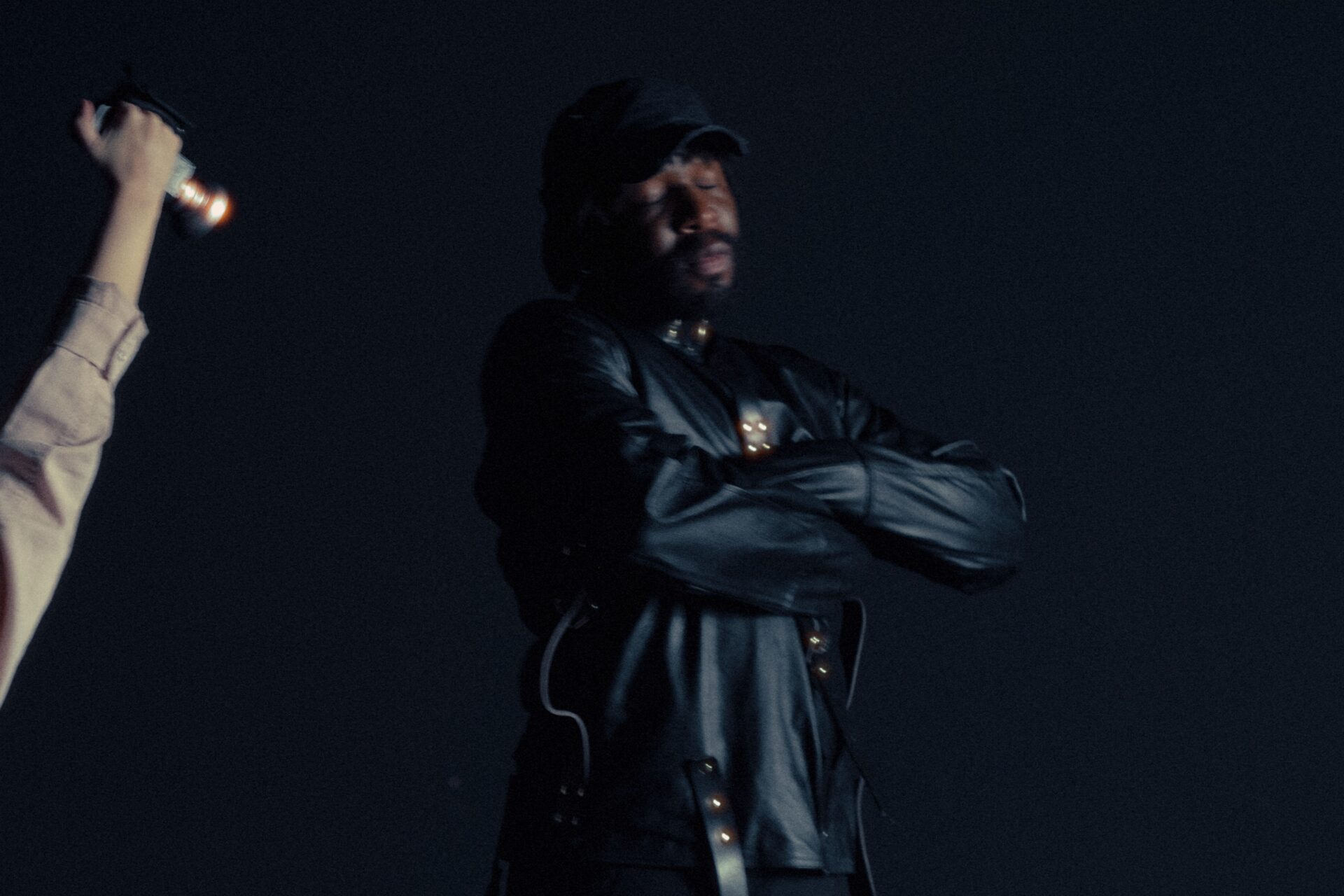
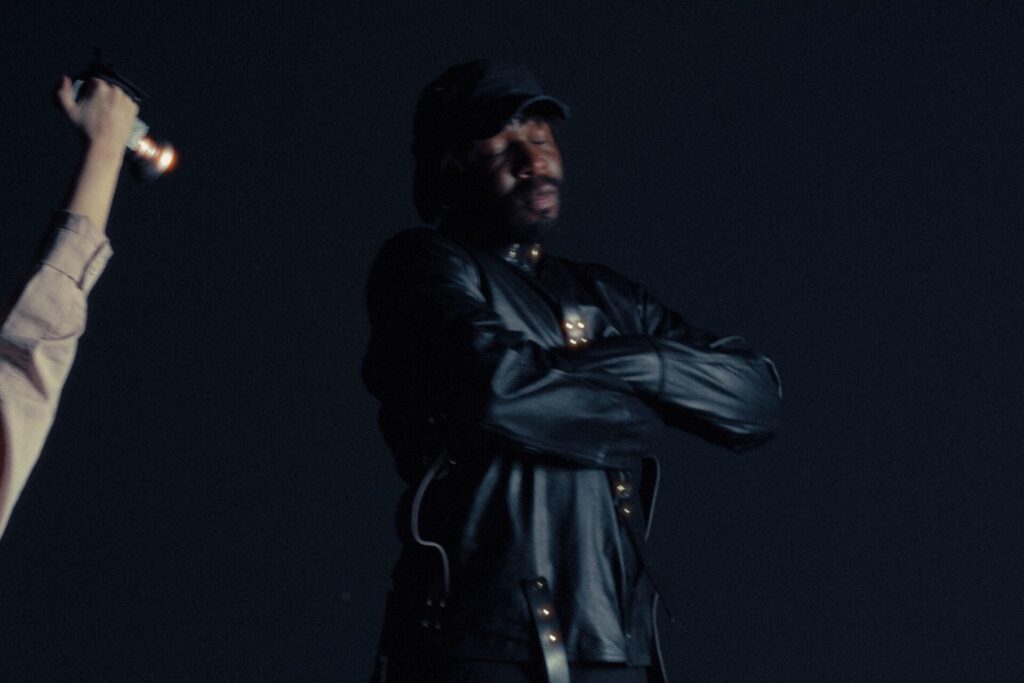
Photo by Jordan Woods.
G: I think also that there’s a greater need now for communal spaces and events around people with similar interests.
Absolutely. Yeah, you need that. You need people with similar interests in real spaces now, just more really dedicated people together.
G: What do you hold back from to prevent your music from becoming emotionally overwhelming?
I don’t think I do that. If it’s overwhelming, it’s overwhelming. There are things from the past, there are older albums of mine that I like to listen back to, and they’re really intense and all over the place. This was more sonically overwhelming and unfocused. In a sense, it is emotionally overwhelming because you’re just running around and not really landing on anything precise. Now, I try not to overload my music with too many elements; it used to have like 20 to 30 channels, different things going on all at the same time. Sometimes it can be wonderful, creating harmony in the dissonance. Now I’m more focused; if I’m feeling melancholy, I hone in on that and try to find something that translates what I’m feeling as concisely as possible, which might be emotionally overwhelming. In that case, it is precise, rather than one moment it’s melancholy, one moment it’s anger, one moment it’s joy. I used to be that kind of composer, but now I think I’m more emotionally refined.
G: Moving on to your practice, what conditions do you need for something to feel meaningful rather than just productive?
Ooh, that’s an amazing question. For me, it’s meaningful if it reaches a certain threshold or emotional point. If it speaks to me emotionally, then it’s meaningful. I’m not strict about making meaning as an artist. I think it’s important. I think it’s important to have a message or, you know, explore meaning and, you know, equate value to what you’re doing. But simultaneously, I know that I don’t really understand everything that’s going on. And I’ve never been convinced by anyone I’ve heard speak about art. I’ve never been convinced that anyone fully understands it either. So I let it rest. I’m not trying to cop out and say “oh, it’s subjective or whatever”, it’s more about acceptance. I don’t know everything, and that’s fine, and I don’t have to; I just have to show up and trust my instincts, and that’s where the meaning is. It’s a mystery, and that’s okay.
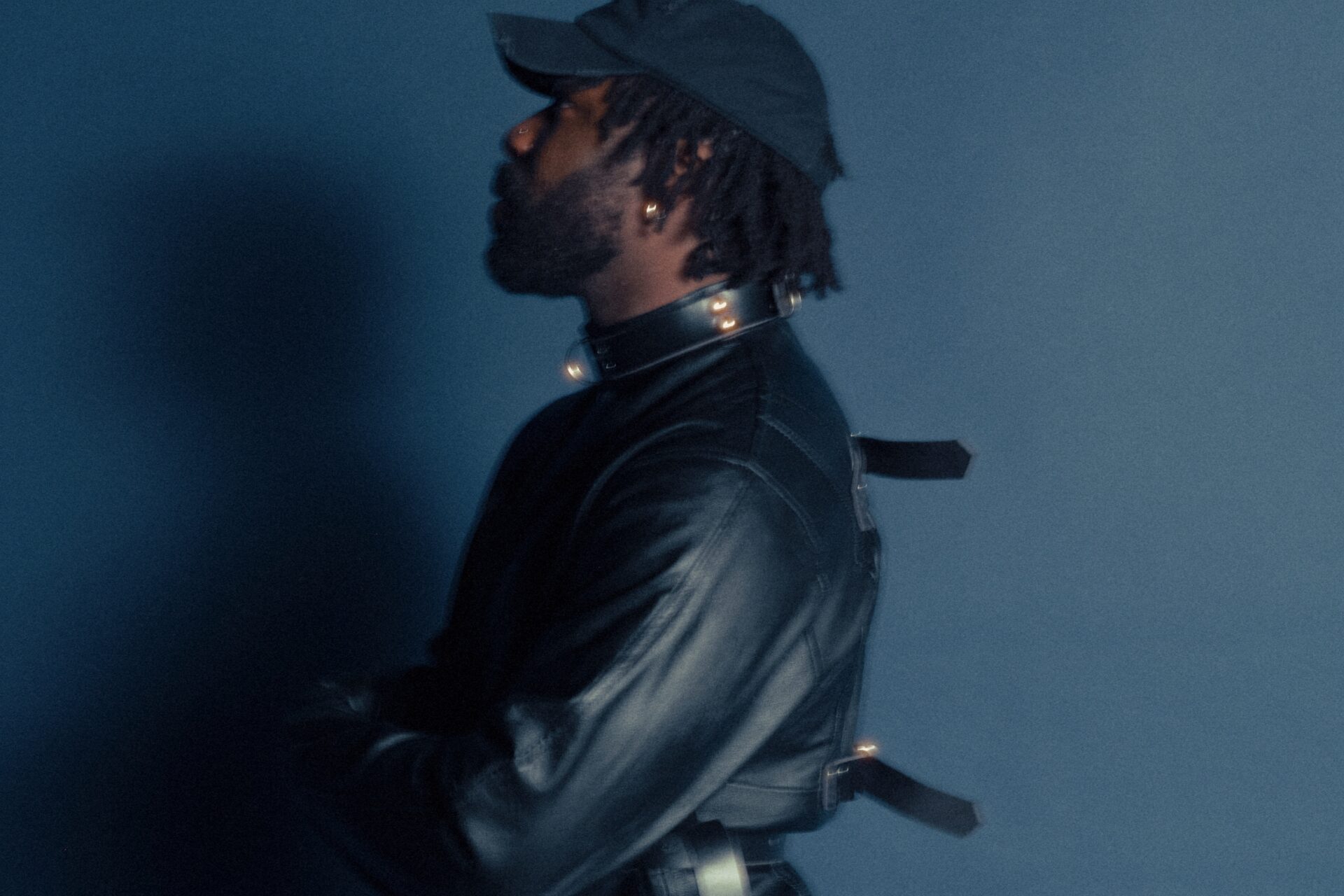
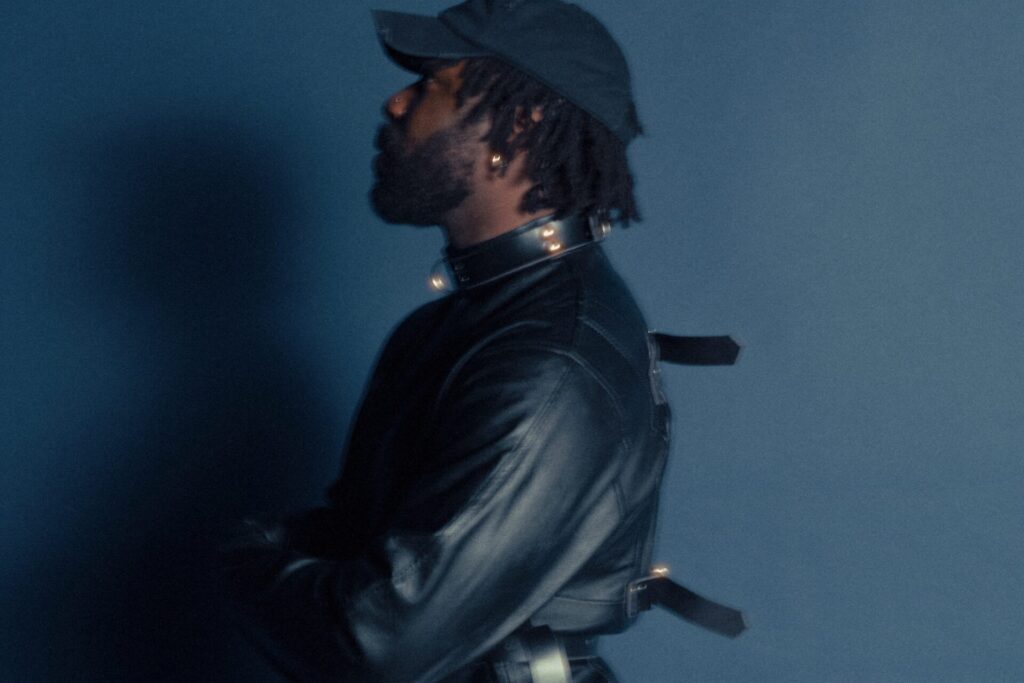
Photo by Jordan Woods.
Experimental is not a genre; it’s a way of doing. It’s just playing around, it’s improv…
G: You’re described as “experimental”. Do you think such a label can be an obstacle?
Absolutely, yeah. I think a label like that can be an obstacle. Experimental is so relative because I talk to some people, some people think my stuff is experimental, and some people don’t, and I wonder, what is experimental? Is it like somebody playing duck noises for an hour, or someone making a piece out of the sounds of drills or whatever? Is that more experimental? The truth is experimentation is relative, and it’s all about reaching something new and exciting, and playing more than anything. The labels do a disservice because if you are someone like me, operating in a space where there are pop elements, there are experimental elements, there are electronic, there are a lot of classical elements, then you get called experimental. And then you get locked into a category with people who sound nothing like you, so that doesn’t really help when people are trying to understand what you’re doing. But again, experimental is not a genre; it’s a way of doing. It’s just playing around, it’s improv… improv is experimental. You’re figuring out for the first time what experimental means to you.
G: What are you still trying to figure out through music?
Oh god, what am I still trying to figure out? I think firstly, there’s no end, it’s a process, an endless one. I’ve been really lucky recently, getting to meet a lot more older musicians and seeing people in their 60s, 70s, 80s who still have this drive, this desire to act out their lives through music… because that’s what we’re doing. We’re enacting our lives through this medium; it’s like a simulacrum. It’s a way to process, similar to how we need deep sleep to process our dreams, our days and our emotions, we need music the same way. How not to lose myself – I’m just trying to figure that out. Honestly, that’s what I think about more than anything, my desire to be a good person, not even for anybody else, just being good to me and my own mental health, and doing the things that are right for me and being okay with the body that I’m in and so on. Music helps me process that and figure that out.
Catch Tony Njoku together with Spaceship Ensemble at Birds of Paradise Festival on March 18th.For more information about Birds of Paradise, visit their website.
Related