News
Wednesday 9 September –
Subbacultcha’s Guide to Gaudeamus Festival 2026
From September 9 – 13, Gaudeamus Festival returns to Utrecht for its 2026 edition across 15 locations in the city.
Gaudeamus digs deep into new music’s outer edges, featuring increasingly more adventurous acts each year
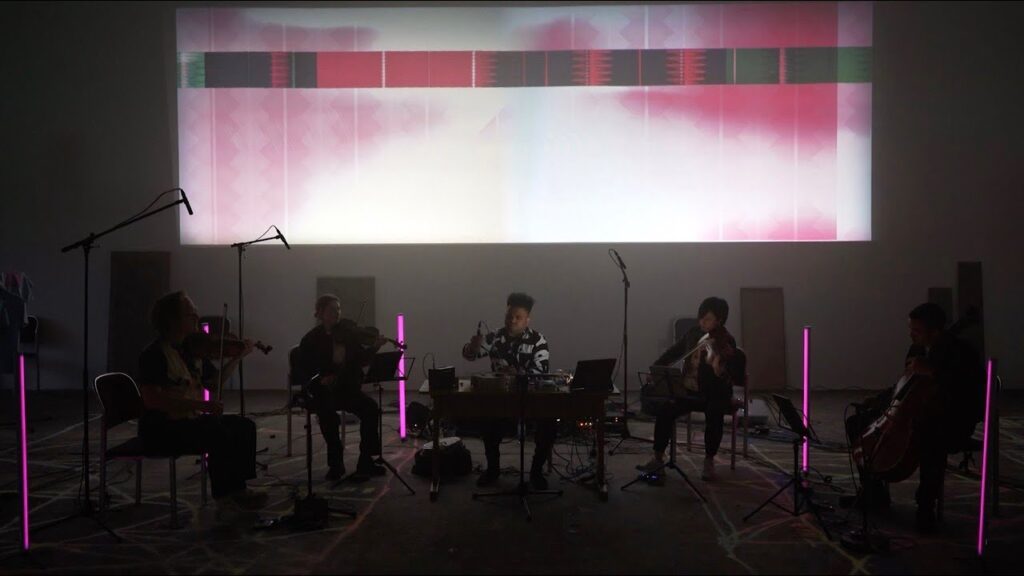
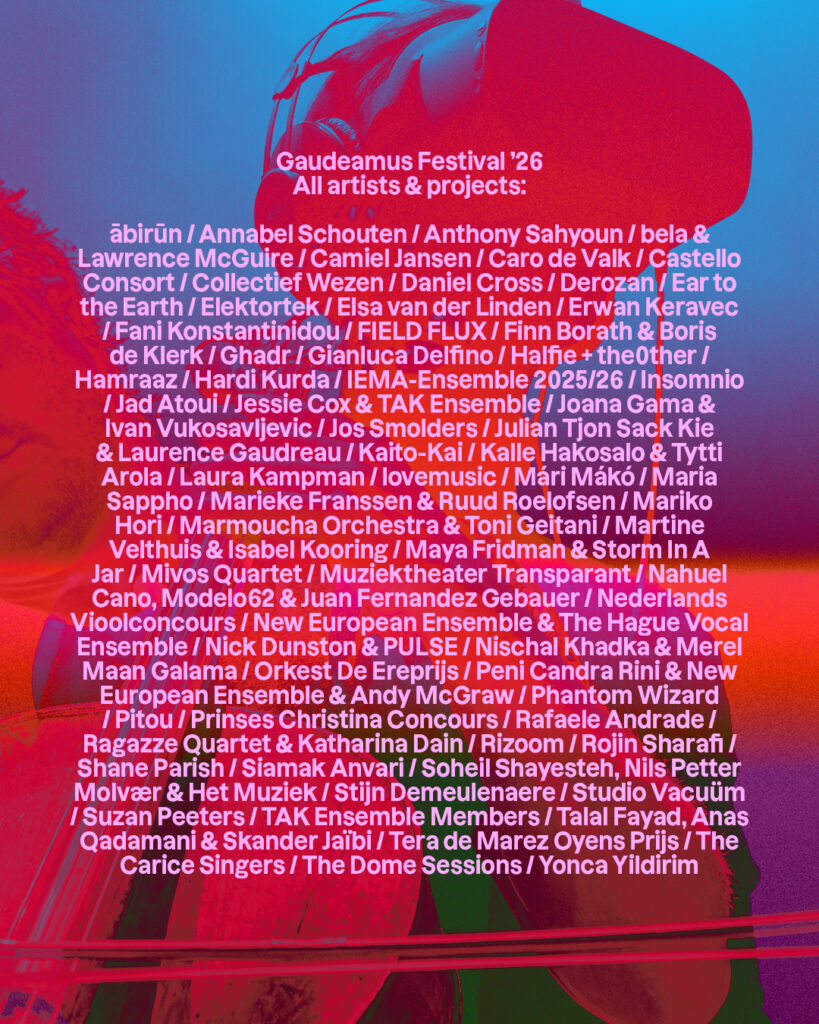
Gaudeamus digs deep into new music’s outer edges, featuring increasingly more adventurous acts in its programme each year, giving plenty of room for experimental electronics and installations alongside the contemporary classical core of the festival. The forward-thinking programme spans across electroacoustic concerts, newly commissioned classical compositions, spatial sound experiments, interdisciplinary performances and sound art. Among the programme, you can spot several Subbacultcha-loved acts such as bela (remember their guttural breathtaking performance back at our Loom fest?), Boris de Klerk, Aho Ssan (joining the ensemble of Rojin Sharafi), Laura Kampman and Phantom Wizard.
To guide you through the extensive festival programme with over 60 concerts, here’s our rundown of what not to miss.
Explore the full programme here, and grab your tickets now. Gaudeamus has kindly gifted our members a limited number of tickets for selected shows. More info via our agenda.
Subbacultcha’s Guide to Gaudeamus 2026
Wednesday 9 September –
Opening Night
Explore experimental undercurrent of the opening night by sprawling the stages and halls of Tivoli
Gaudeamus 2026 opens at Tivoli with a world premiere of The Wheel, a poetic piece by Javanese singer-composer Peni Candra Rini for gamelan and New European Ensemble. The opening night’s more experimental undercurrent runs through its foyers and smaller stages. Julian Tjon Sack Kie presents a new piece for cello and electronics, while Mári Mákó unveils a self-built sculptural string instrument for a multichannel speaker setup, reworking the harp through a minimal, contemporary lens.
Moreover, Hardi Kurda‘s interactive sound installations Sounding Carpet and Your Resonance invite audiences to physically engage with sound before the IEMA-Ensemble leads a sound walk through the building. More info here.
Thursday 10 September
Thursday shifts across the city, with the Resisting Waters installation programme opening its doors, and a run of theatrical, voice-driven works filling Theater Kikker and Lutherse Kerk. The standout for electronic-leaning ears is Maya Fridman & Storm In A Jar‘s The Architecture of Trees, an immersive performance that weaves cello with electronic layers derived from field recordings of ancient trees at Stadsklooster. Elsewhere, TAK Ensemble premieres new work by Jessie Cox, and by Gaudeamus Award nominees Tytti Arola and Rodrigo Pascale. More info here.
Friday 11 September
Fluorescent lights, rotating speakers, and dreamy multi-speaker immersive soundscapes set the stage on Friday
Friday is where the installations really take over. Boris de Klerk teams up with Finn Borath on an installation for fluorescent light and rotating Leslie speakers at Moira, running alongside the Resisting Waters stations and the opening of The Dome Sessions.
At Theater Kikker, Laura Kampman performs three times through the afternoon, gathering field recordings of her surroundings into layered, multi-speaker collages that visitors can physically step inside. We’ve followed her dreamy introspective sounds for a while and are curious for her next steps. At night, Gaudeamus joins hands with the Keep Space Fest, an initiative of Space Is The Place and Keep It Moving.
Saturday 12 September
Saturday is the festival’s heaviest electronic day by far
Saturday is the festival’s heaviest electronic day by far. The afternoon’s STRANDED FM strand at Kapitaal is a straight electronics showcase: modular-synth engineer Elektortek, multitalented Phantom Wizard, and genre-blurring, cinematic storyteller Derozan play back-to-back sets.
Place yourself in site-specific artwork, guttural vocals, and mind-melting productions
For curious ears looking for immersive acoustic experiences, Annabel Schouten‘s site-specific Water Between Us unfolding outdoors in Julianapark is the place to be. The audience is invited to place themselves inside the artwork, close enough for the ears to touch the sound. Once you’ve stepped inside, you move through the landscape as a visitor to take in the composition.
At night, TivoliVredenburg turns into a sprawling electronic-adjacent maze. Dutch singer-songwriter, composer and producer Pitou fully embraces impulsiveness and experimentation. For this special concert at Gaudeamus, Pitou presents her music in an entirely new setup, with arrangements developed with regular collaborator M Alberto. Marmoucha Orchestra & Toni Geitani present Wahj, moving between tradition and experimental electronics; American guitarist Shane Parish translates Autechre’s IDM catalogue to solo guitar, and sound artist with off-grid and mind-melting productions Rojin Sharafi unveils her new ensemble piece. The night closes out with bela & Lawrence McGuire‘s guttural-voice experiment Korean Love Sonnets and Kaito-Kai‘s acid house, italo and offbeat percussion. More info about Saturday afternoon programme and night programme.
Sunday 13 September
The final day winds down gently but keeps its electronic threads intact. The final day of Resisting Waters includes a 6-hour continuous performance of ensemble Ear to the Earth, a dialogue between musicians and hydrophones previewing an upcoming project on underwater noise pollution, alongside a roundtable on sound, ecology and imagination.
In the evening, Nick Dunston & PULSE present Hydra, rooted in jazz and improvisation, while duo Hamraaz pairs flute and duduk with tanbour and tar for a set of new pieces. The festival closes with Joana Gama & Ivan Vukosavljević‘s a mind in the heart, a solo piano piece inspired by Serbian Orthodox chant.
Exhibition: Resisting Waters
If you know us, you know we can’t miss an exhibition with interdisciplinary installations. Running from Thursday through Sunday at various locations in Utrecht, Resisting Waters is this year’s central installation programme, reflecting on the social and political dimensions of water infrastructure.
Sound installations, performances, and in-depth explorations unfold at Resisting Waters
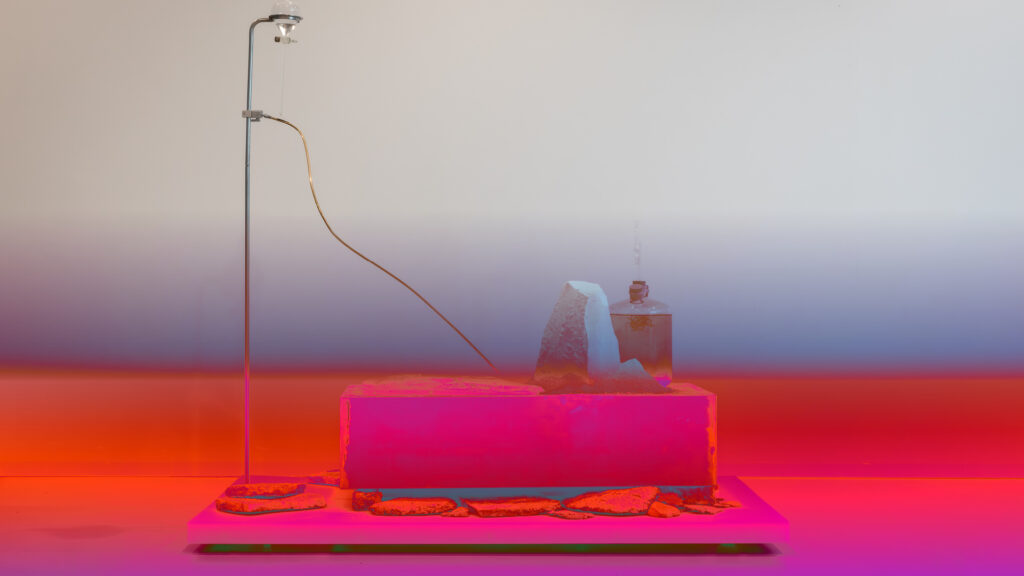
The exhibition brings together Mariko Hori, whose interactive installation Forever in Different Ways imagines a post-tipping-point world where water no longer behaves predictably; Nischal Khadka & Merel Maan Galama, whose Sacred Ecohydrology puts Himalayan river cosmologies in dialogue with Dutch engineered water systems through field recordings; Yonca Yildirim, who brings her research series Ecotone into the greenhouse of the Oude Hortus, treating the space’s machinery and plant life as active sonic material; and Stijn Demeulenaere, whose Zijlijn / Linea Lateralis confronts underwater recordings from the North Sea’s busiest shipping lanes. Also part of the programme: Maria Sappho‘s participatory textile instrument Rivers and Other Mother Tongues, Caro de Valk‘s rhythmic shoreline installation Intertidal zone(s), and FIELD FLUX‘s Sonic Leaks, which listens to the politics of water infrastructure itself. More here.
Exhibition and Performances: Sound as Shelter – The Dome Sessions
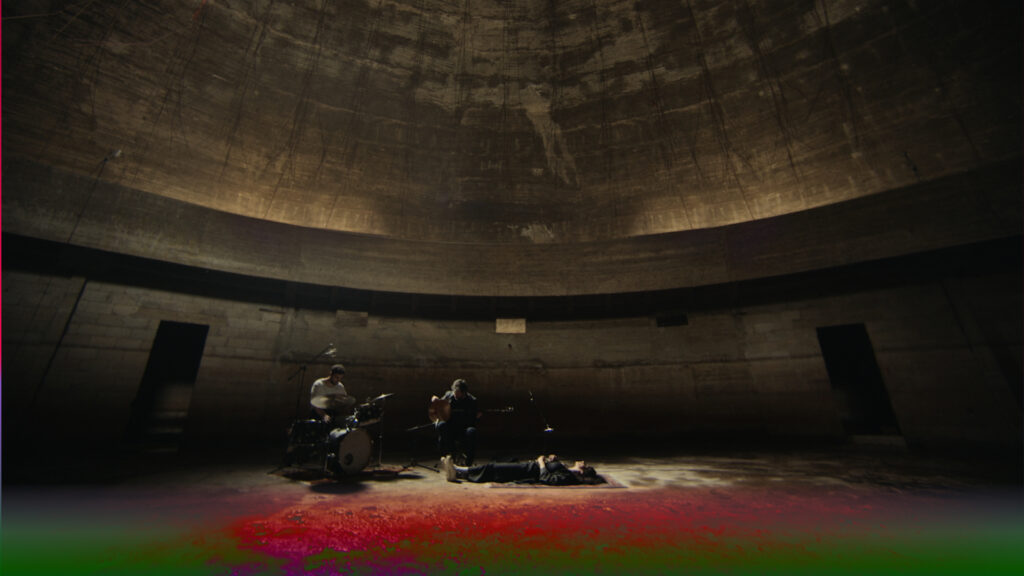
Since 2010, audiovisual artist and curator Firas El Hallak has been recording experimental sessions inside the unfinished Dome in Tripoli, Lebanon, known for its uncanny natural reverberation.
Uncanny natural reverberations echo at the installation and live performances at the Dome Sessions
The Dome Sessions installation, on view from Friday through Sunday at Instituto Cervantes, gathers these filmed sessions into a single audiovisual experience evoking both the told and untold stories. Each day of the installation closes with a live performance by one of the Lebanese musicians involved in the project. More info here.
To check out the detailed programme and get your tickets, head to the website of Gaudeamus.
Related
b:3tter irl x Smokeshow x klub krai
Club // Music // Partner events 10 October Garage Noord, Amsterdam