Interview
Interview with Ambassade
By Gosia Kalisz
With a decade of experience, Ambassade is one of the most recognisable names in the Dutch experimental electronic scene. Combining ethereal vocals, drum machines, breaks, and techno-driven textures, their new album Manrira on Pinkman creates a dark sonic world with the human voice at its epicentre.
Before the album release, we talked with Ambassade about their artistic legacy, religious symbolism, and using one’s mother tongue as a stylistic choice.
Gosia: Ambassade have been in the scene for a decade now. Looking back at the project’s identity, what about it has shifted in ways you didn’t expect?
Ambassade: Of course, a few things have changed, for example we’ve gone from a trio to a duo and we’re continuously shifting genres or do what we think feels best but none of it really came as a surprise. Although, to our pleasant surprise, the project still has a loyal fan base, even after all these years. I never would have expected that.
I think it’s important to keep questioning, especially when it comes to a centuries-old subject that people still seem to need in order to explain the meaning of life.
You’ve worked together on a film soundtrack. When working on such a project, where do you draw the line between serving the film and protecting your own identity?
What’s important is that I connect with the film or the story and the director’s vision. That director always respects what I create; we always have discussions beforehand, and then we realize we’re on the same page. So if there are significant differences or if boundaries need to be drawn, I think then you have to start asking yourself some questions whether you want to proceed.
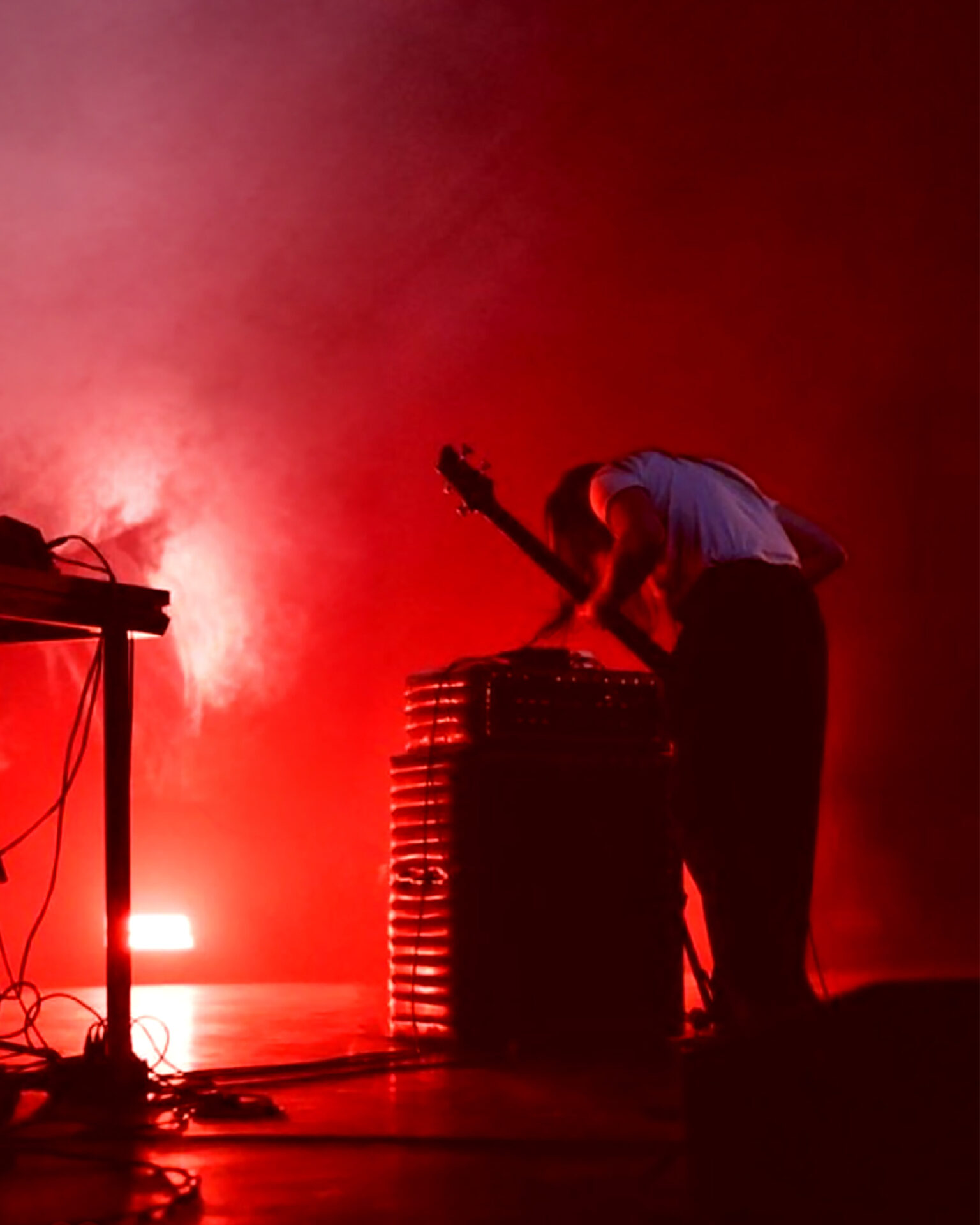
Courtesy of Ambassade
With the new album moving in a different direction, what might longtime listeners misunderstand about it?
This album does indeed differ from our previous work; in terms of content, I’ve long since left the whole synthwave thing—or what most people know us for—behind me. For me, it was no longer challenging at all in terms of composition or sound. We also only have one song for which we wrote Dutch lyrics. All of these changes happen because you change yourself, and your musical choices evolve along with you.
Because of all these choices, you might disappoint or lose some people. But I’m not in this industry to fulfill people’s wishes.
G: Manrira is described as centring the human voice. How does the music change when the voice becomes the focus?
One doesn’t necessarily have to rule out the other. Sometimes I think it’s important for everything to feel complementary, but it can also sound brilliant when that’s not the focus and different choices are made. For me, I treated the voice like an instrument but always tried to defy the rules.
Religious references carry a lot of weight; do you ever worry about them being read as stylistic rather than meaningful, or is that ambiguity the point?
I’ll leave the interpretation up to the listener. But keep in mind that religion is a perfect breeding ground for ambiguity. I think it’s important to keep questioning, especially when it comes to a centuries-old subject that people still seem to need in order to explain the meaning of life.
What was the hardest choice to make while working on the new album, something that played a significant role in how it ended up sounding?
I had to make choices that were new to me when it came to arranging. I even ended up not using some songs at all. I had a framework and didn’t want to stray from it. Of course, this can be limiting, but for me it was actually very liberating.
On previous albums, we often chose to sing in Dutch because it allowed us to convey a certain sense of urgency in a song. At the time, we felt that was important.
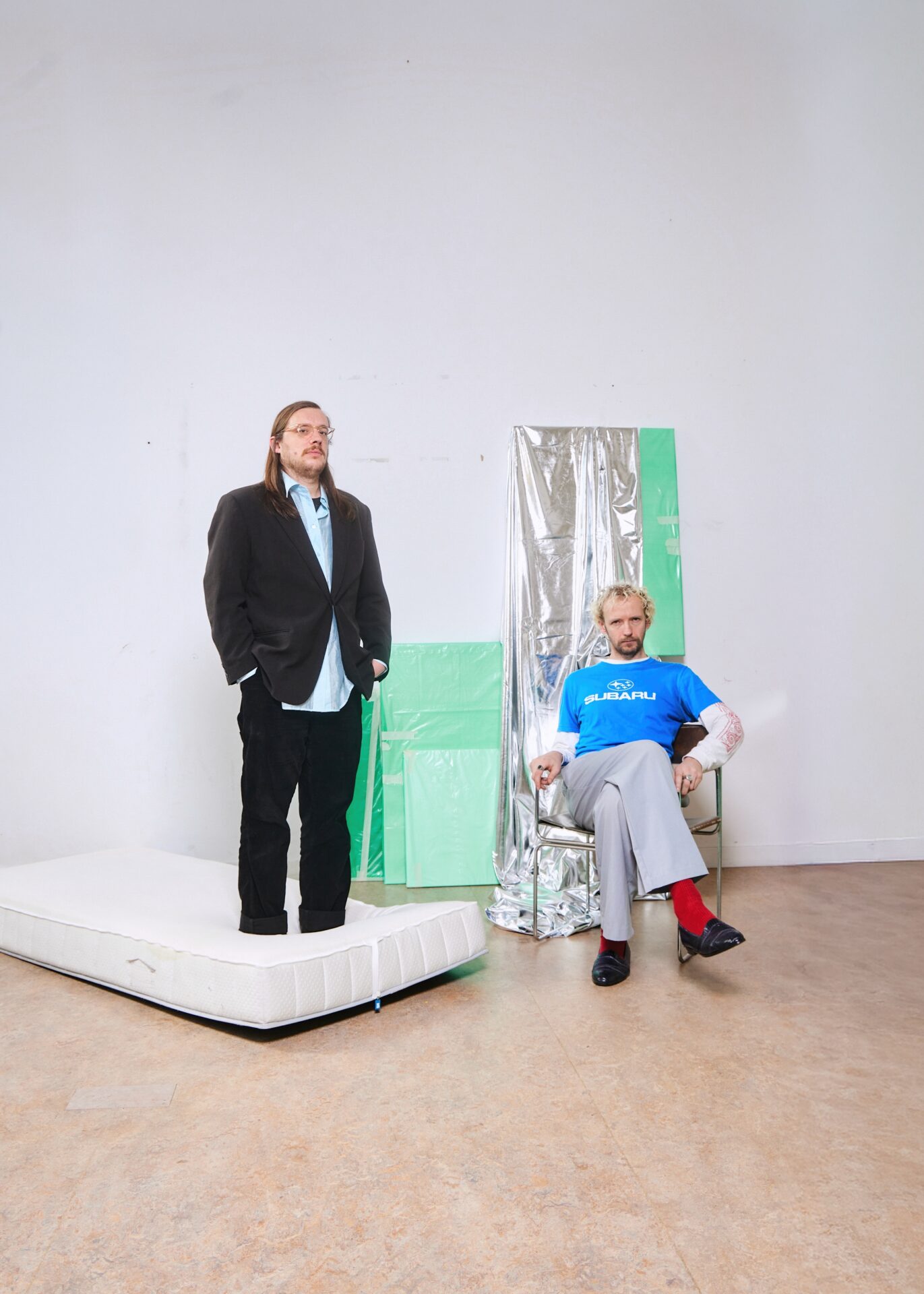
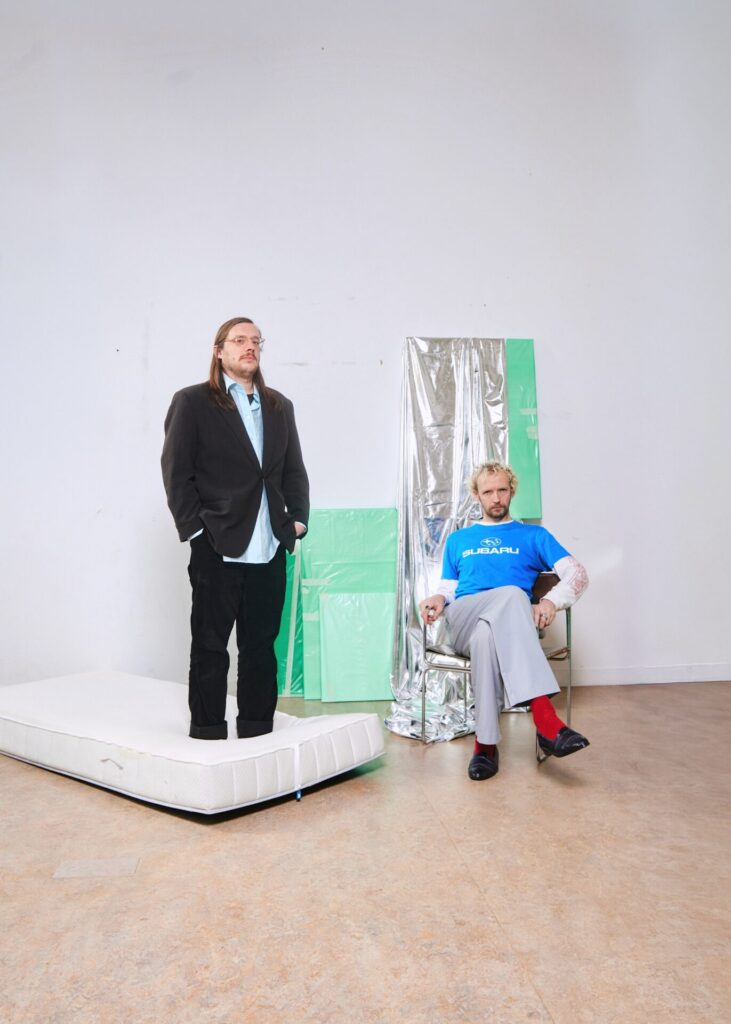
Ambassade photographed by Leroy Verbeet
You’re often described as nostalgic and seen through the lens of references you’re pulling from. When does a label like that become a challenge in pushing the boundaries of what you’re familiar with?
These days, the average listener’s attention span is pretty short, and genres are necessary because they provide clarity. People also still find change very difficult, so when they know you from a widely played song, that label and the expectations that come with it are already there. Everything in my nature tells me to go against that, so that’s exactly what I do—and I’m doing it again with this album.
These days, the average listener’s attention span is pretty short, and genres are necessary because they provide clarity.
You’ve talked about being drawn to imperfection and things that “wring” a bit. Has there ever been a moment where something sounded too good, and you deliberately ruined it?
Yeah, but after editing it, it sounded even better. Haha, no, everyone has their own “sound palette”— either it draws you in or it doesn’t. For me, throwing everything out and starting over often works best.
You once mentioned that you don’t mind international audiences not understanding lyrics in Dutch, and maybe finding it “exotic”, and that you enjoy the language’s oftentimes harsh sound. At what point does that risk turn into a kind of aesthetic branding rather than a genuine choice?
On previous albums, we often chose to sing in Dutch because it allowed us to convey a certain sense of urgency in a song. At the time, we felt that was important. We noticed that back then, there were also bands that started doing it for other reasons. Now there’s only one Dutch-language song on the new album and that’s -like on our previous records, a genuine choice.
Listen to Ambassade’s new album Manrira in full here.
Related